
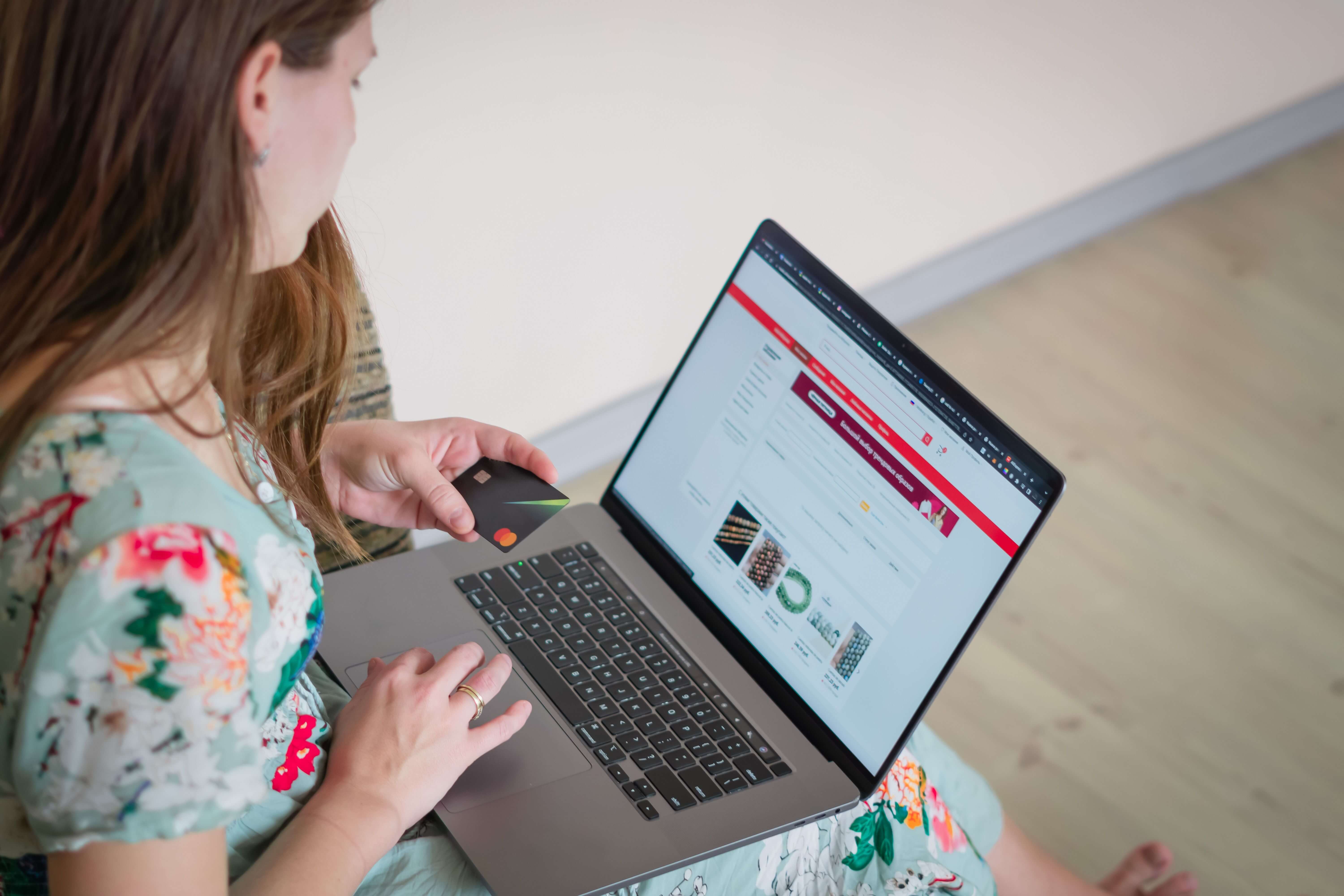
An all-in-one ecommerce platform for India should give you four things in one place: a customisable online store with landing pages, a payment system that supports UPI, cards, net banking, EMI and wallets, shipping with pickup, delivery, tracking and cash on delivery across all pincodes, and marketing tools to help customers find you and come back. This guide explains what each part should include, what to test, and how ShopMate covers them.
It also explains the limits. All-in-one does not mean free, and it does not mean every feature is best-in-class. Where ShopMate does not publish something, such as a forever-free plan or a price list, we say so, and we point you to how to check any platform yourself.
Quick answer: Choose a platform where the storefront, landing page, payment gateway, shipping partners and marketing tools work together from one admin panel, so you are not stitching together separate tools. Test it with a real order: pay by UPI, generate a GST invoice, book a shipment and run a coupon. Check pricing terms in writing, including what happens after the trial.
Why one platform instead of many tools
Many new sellers build a store from separate parts: a website builder, a payment gateway, a shipping aggregator, an email tool and a spreadsheet for stock. Each part works, but the gaps between them cost time. An order must be copied from the store to the courier, a payment must be matched to an order, a coupon must be applied in two places. An all-in-one platform removes those gaps by connecting the parts. The trade-off is that you rely on one vendor's choices, so check what is included and how you could leave.
Wikipedia describes the building blocks in its articles on shopping cart software and payment gateways. The rest of this guide takes each block in turn.
Part 1: A customisable online store with landing pages
The storefront is what customers see. A good platform lets a non-technical owner change the look and the landing page without a developer. Wikipedia explains the idea of a landing page: the page a visitor first arrives on, designed to lead them towards a purchase.
What to look for
- Your own brand: logo, colours, domain and theme, not a shared marketplace look.
- A configurable home or landing page: banners, featured categories, new arrivals, offers and testimonials in the order you choose.
- Mobile-first design: most Indian shoppers browse on phones.
- Product pages with variants and galleries: size, colour and several photos.
- Customer accounts and wishlists: a reason to return.
- GST-ready pages and invoices: tax display and invoices on every order.
How ShopMate covers it
ShopMate offers a branded storefront with your own domain, logo and colours, mobile-responsive and themeable, with unlimited products and categories, product variants and image galleries, flash sales and coupon codes, customer accounts and wishlists, and GST invoicing and tax display. In the admin panel, the landing page is configurable: the code shows section types such as banner sliders, trending categories, what's new, flash sale products, promotional banners, a benefits strip, testimonials and a newsletter block, with a classic and a modern theme. You choose which sections appear and in what order.
One honest note: ShopMate offers a 7-day free trial and no setup fee, but it does not advertise a free-forever plan. If a free-forever builder matters to you, read our guides on setting up a store for free and on free ecommerce website builders. Vendors' free plans change, so check each on its own page.
Part 2: Payments for Indian customers
A payment gateway connects your store to banks and payment networks. UPI is run by NPCI; see Wikipedia's UPI article. Indian shoppers expect a wide choice of payment methods at checkout.
What to look for
- Wide method coverage: UPI, debit and credit cards, net banking, wallets and EMI.
- Settlement into your own account on a published schedule.
- Secure checkout: HTTPS and a provider that meets PCI DSS requirements.
- Refunds from the dashboard and clear status for each payment.
- Cash on delivery tracking for orders paid at the door.
- Automatic reconciliation: payments matched to orders without manual work.
- GST invoices generated for each order.
How ShopMate covers it
ShopMate integrates Razorpay, which supports UPI, credit and debit cards, net banking, EMI and wallets. Settlements go directly to the merchant's own Razorpay account, the checkout is PCI DSS compliant, and the platform shows real-time payment status, order reconciliation and cash on delivery collection tracking. We do not claim a specific number of payment methods; Razorpay's own pages describe what it supports and what it charges (Razorpay pricing, settlements). Our Razorpay setup guide walks through activation, and the home page FAQ says ShopMate's team helps with the payment gateway during onboarding. Gateway fees and KYC apply as set by Razorpay; see its KYC documents page.
Part 3: Pan-India shipping with pickup and delivery
Shipping is where many new stores struggle. A good platform connects couriers directly so that an order becomes a shipment in a few clicks. Wikipedia describes the postal code system in its PIN code article, and our guides on delivering to all pincodes and selling across all India explain the coverage.
What to look for
- Multiple couriers with automatic rate comparison.
- Doorstep pickup from your shop or warehouse.
- Label printing in one click.
- Tracking for you and your customers.
- Cash on delivery with remittance information.
- Returns and reverse pickup.
- Pincode serviceability checks at checkout.
How ShopMate covers it
ShopMate connects to 40+ shipping partners covering all India pincodes. From the admin panel you can compare rates, generate labels, track shipments, handle cash on delivery and process returns with reverse pickup. The home page FAQ says the team helps you get onboarded with the shipping partners, and that settlement is managed through your shipping account dashboard. It lists Shiprocket among its integrations. Couriers and rates change, so run a test shipment before you promise delivery times to customers.
Part 4: Marketing tools that help customers find you
A store does not attract customers by existing. Built-in marketing tools should help you do the basics without extra software. Wikipedia describes the wider field in its articles on search engine optimisation, email marketing and social media marketing.
What to look for
- Discounts and offers: coupon codes, flash sales and free-shipping thresholds.
- Customer messaging: order updates and offers through email or WhatsApp, with consent.
- Search visibility: editable page titles, descriptions and URLs, plus a sitemap. Google's SEO Starter Guide lists the basics.
- Social sharing: easy links from products to social profiles.
- Retention features: accounts, wishlists and reviews.
- Analytics: to see which efforts work.
How ShopMate covers it
ShopMate's published features include flash sales and coupon codes, customer accounts and wishlists, a configurable landing page with promotional banners, testimonials and a newsletter section, a WhatsApp integration and an analytics dashboard with customer acquisition tracking. It does not advertise a complete search-optimisation suite or an email campaign tool, so check with the team what is available for search settings and messaging, and plan to use free tools alongside it, such as Google Search Console and Google's free product listings. WhatsApp messaging must follow WhatsApp's consent rules; see its business policy and opt-in guidance.
Free marketing you can start the same week
- Share your store link with existing customers on WhatsApp, and add a QR code in your shop.
- Post products on Instagram with a link in your bio; see our guide to Instagram selling versus an online store.
- Run a launch coupon for first orders, with an expiry date and a usage limit.
- Ask for reviews with photos after delivery.
- Register with Google Search Console and set up a free Business Profile if you have a shop.
- Use a flash sale for slow stock, announced to your list.
Comparison: all-in-one against assembling tools
| Question | All-in-one platform | Separate tools |
|---|---|---|
| Setup time | Shorter, one onboarding | Longer, several sign-ups and integrations |
| Order flow | Order to payment to shipment in one panel | Copying data between tools |
| Support | One team to call | Several vendors, each pointing to another |
| Flexibility | Limited to what the platform offers | Pick the best tool for each job |
| Cost clarity | One bill, but check what is included | Many bills that add up |
| Leaving later | Check data export and contract terms | Replace one tool at a time |
How to test an all-in-one platform in a trial
- Brand the store: logo, colours and a landing page with three sections.
- Add three products with variants and photos.
- Place test orders: UPI, card and cash on delivery.
- Check the GST invoice and the stock change.
- Book a test shipment and view tracking.
- Create a coupon and a flash sale and test them at checkout.
- Refund one order.
- Open the dashboard and see whether the numbers match your tests.
- Ask for pricing and contract terms in writing, including what happens after the trial.
Questions to ask any vendor
- What exactly do I pay after the trial, and when, and is it in writing?
- Which payment gateway is used, and do settlements reach my own account?
- Which couriers are supported, and who handles courier onboarding?
- What can I export if I leave, and how?
- Who owns my domain and my customer data?
- What are the support hours and channels?
ShopMate's pricing page describes one plan with every feature included, no setup fee, no yearly maintenance and no annual contract, and says you only pay when you sell; ask the team for current terms. Compare it with other vendors' own pricing pages, such as Shopify, Zoho Commerce and Wix.
Frequently asked questions
What is an all-in-one ecommerce platform?
A platform that combines the storefront, payments, shipping, marketing tools and order management in one admin panel, so you do not have to connect and manage separate tools. Check exactly which parts are included and which need extra services.
Does ShopMate include payments and shipping?
Yes. ShopMate integrates Razorpay for UPI, cards, net banking, EMI and wallets, with settlements to your own account, and connects to 40+ shipping partners across India with rate comparison, labels, tracking, cash on delivery and returns.
Is there a free plan?
ShopMate offers a 7-day free trial and states no setup fee, but does not advertise a forever-free plan. Ask the team for current terms. Other vendors publish free plans or trials on their own pages.
What marketing tools does ShopMate offer?
Flash sales, coupon codes, customer accounts and wishlists, a configurable landing page with banners, testimonials and a newsletter section, WhatsApp integration and an analytics dashboard. Ask the team about search settings and messaging.
Can I customise my landing page?
Yes. The admin panel lets you enable and order sections such as banner sliders, trending categories, new arrivals, flash sale products, promotional banners, testimonials and a newsletter block, in a classic or modern theme.
How long does setup take?
After the trial, a demo call and a digital agreement, ShopMate's team typically sets up the store, domain, email, payment gateway and shipping in 5 to 7 business days, and guides you through adding products.
Sources and further reading
Features, fees and rules change. Sources were last checked on 11 October 2026.
- Wikipedia, Shopping cart software, Payment gateway, Landing page, Unified Payments Interface, Postal Index Number, Search engine optimization, Email marketing and Social media marketing.
- NPCI, npci.org.in; PCI Security Standards Council, PCI Security Standards.
- Razorpay, pricing, settlements and KYC documents.
- Google, SEO Starter Guide, Search Console and free listings for products.
- WhatsApp, business policy; Meta, getting opt-in.
- Shopify, India pricing; Zoho, Commerce pricing; Wix, plans.
- ShopMate, home page, pricing and about, for ShopMate features, onboarding and pricing statements.
Disclaimer: This article is for general information only and is not legal, tax or financial advice. ShopMate is the publisher of this guide and has a commercial interest in the platform it describes; competitor information is limited to what is publicly stated on their own pages. Features, pricing and rules change, and your situation may differ. Consult a qualified chartered accountant or legal professional before making decisions.
See payments, shipping and marketing in one demo
If you want to see an all-in-one ecommerce platform for India in action, ShopMate offers a 7-day free trial and a 30-minute demo call. Book a free demo, review the pricing or read about ShopMate.